Standard
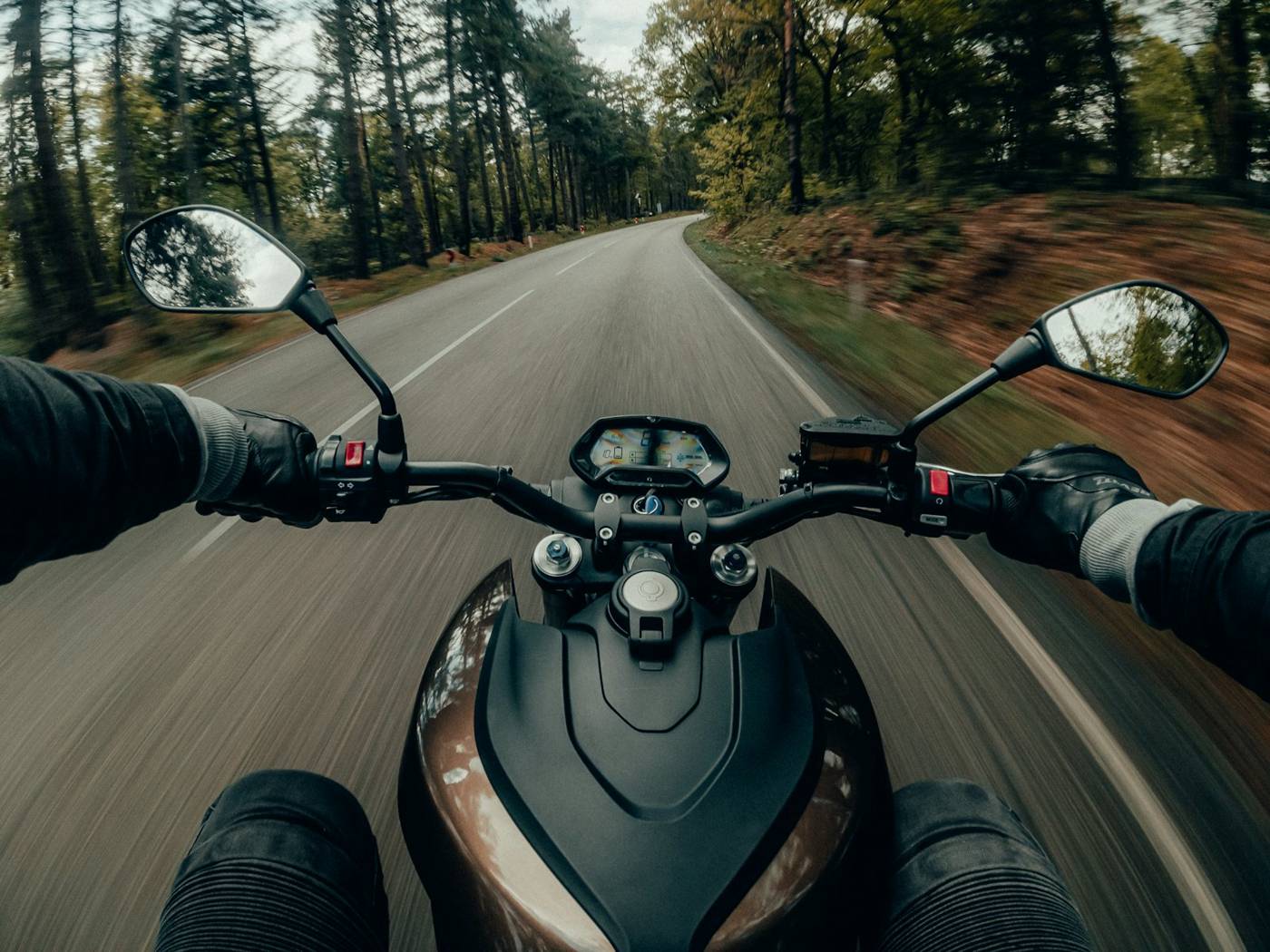
Your back is straight, your feet sit under you, and the handlebars are easy to reach.
- Good for
- Learning, commuting, doing a bit of everything
- Feels
- Neutral and easy to control
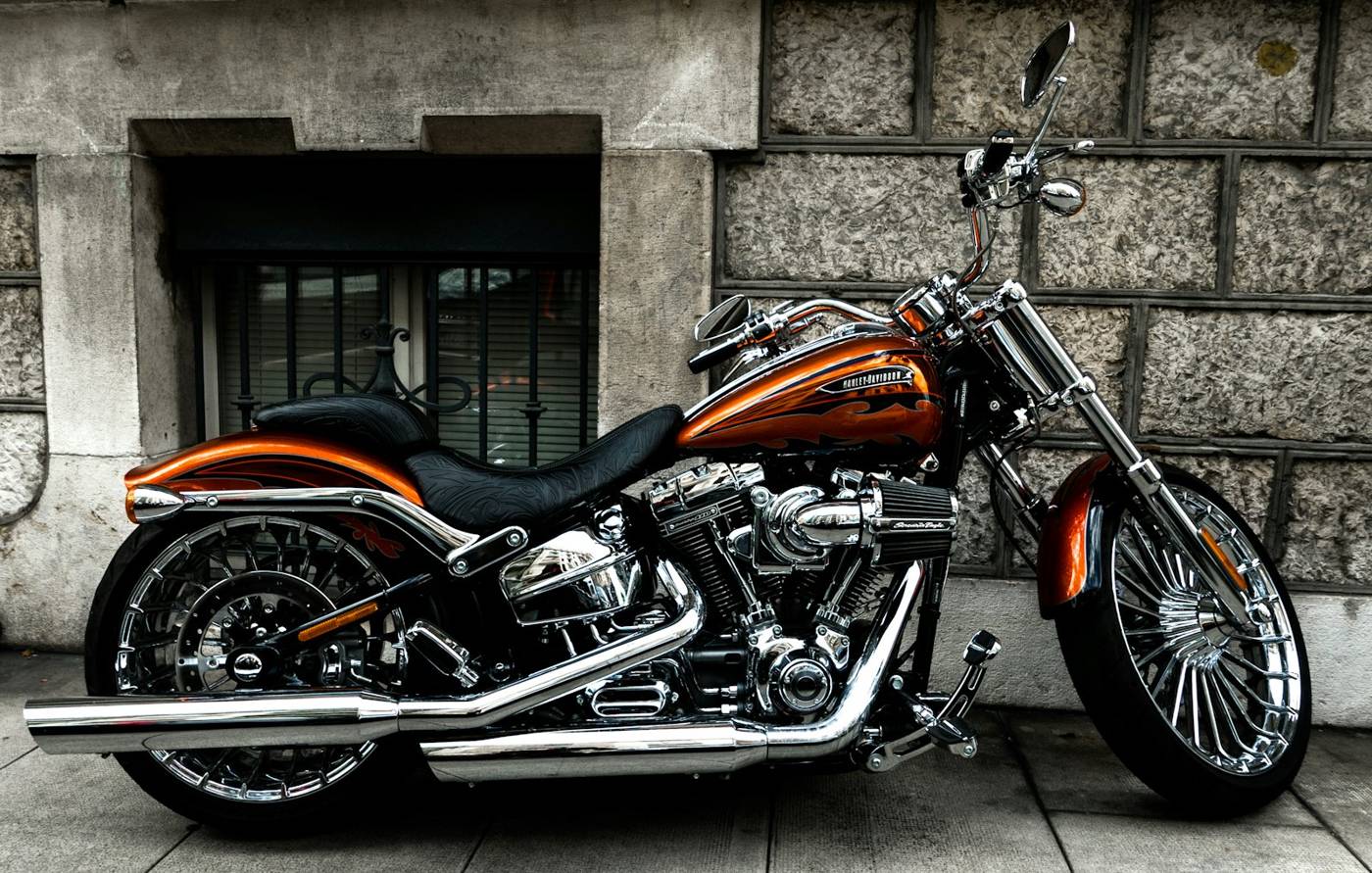
How do you picture yourself riding? Start there, and the right style usually becomes obvious.

Your back is straight, your feet sit under you, and the handlebars are easy to reach.

A low seat makes it easy to put your feet down, and the engine delivers power smoothly at low speeds.

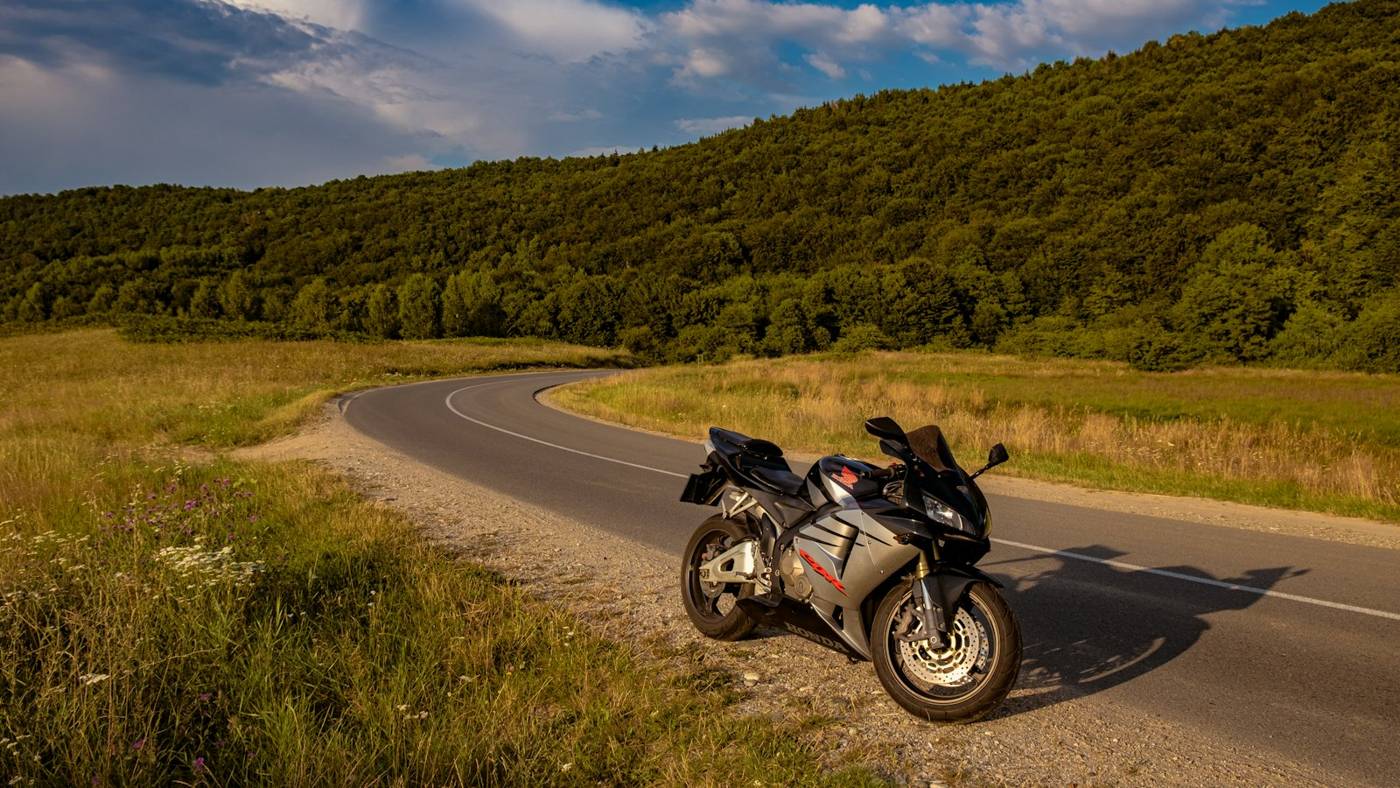
The riding position leans you forward, with sharp steering and strong brakes. The smaller-engine sport models make good first bikes.

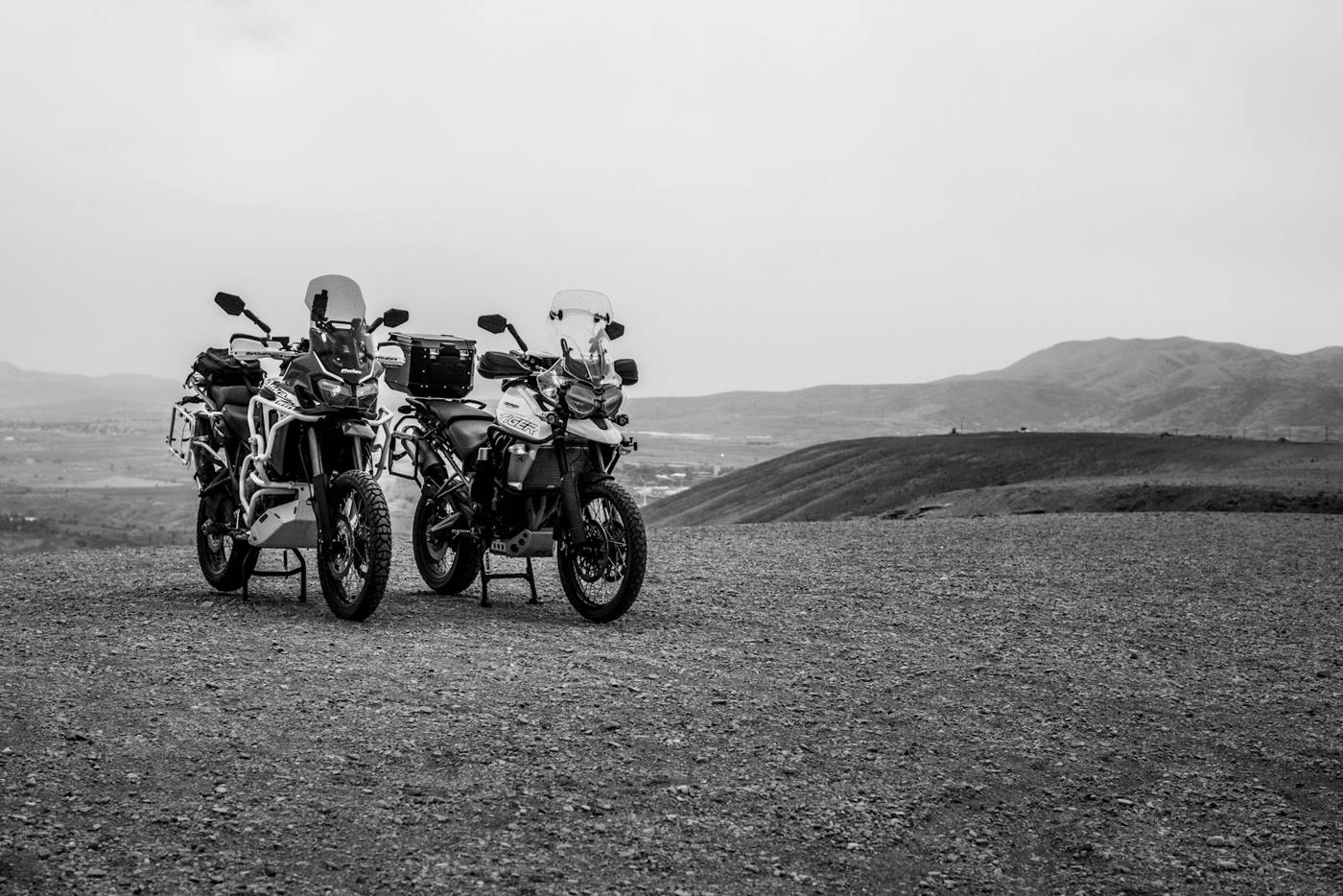
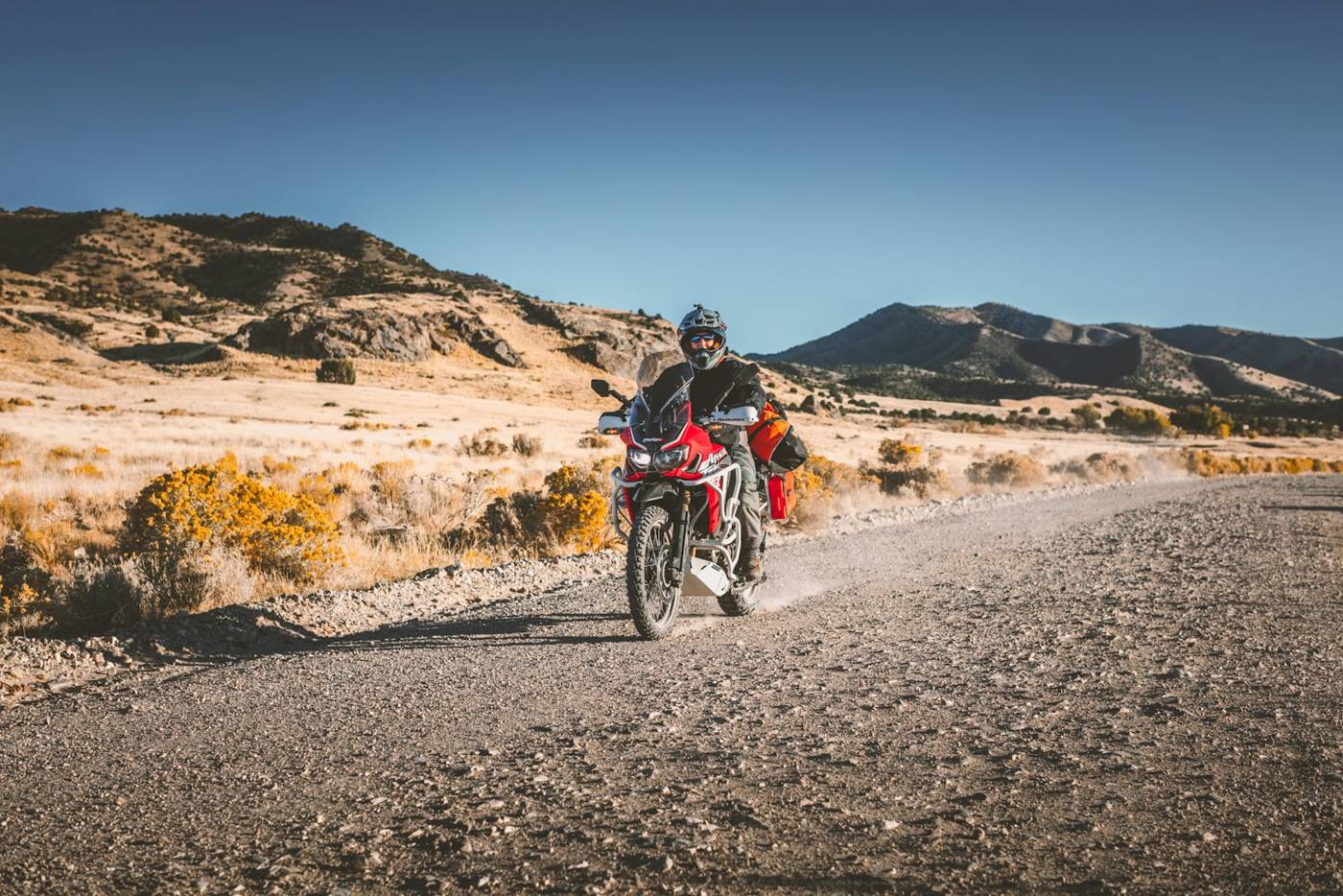
Long suspension travel and an upright seat, built for long days on pavement or gravel.

A street-legal bike with off-road roots. It's light, simple and hard to break.

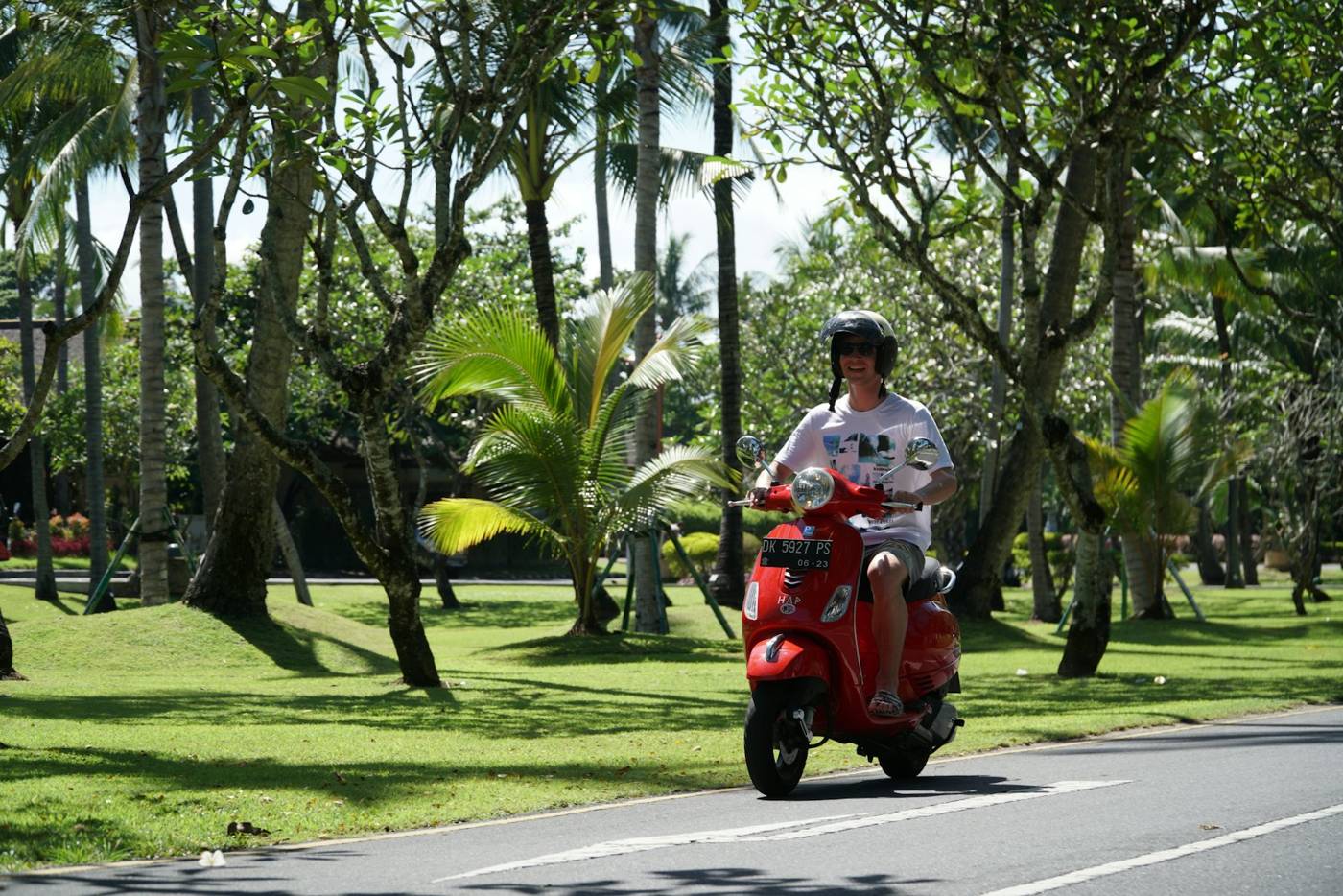
No clutch and no shifting, with storage under the seat. The small ones still need a motorcycle endorsement in many cases.
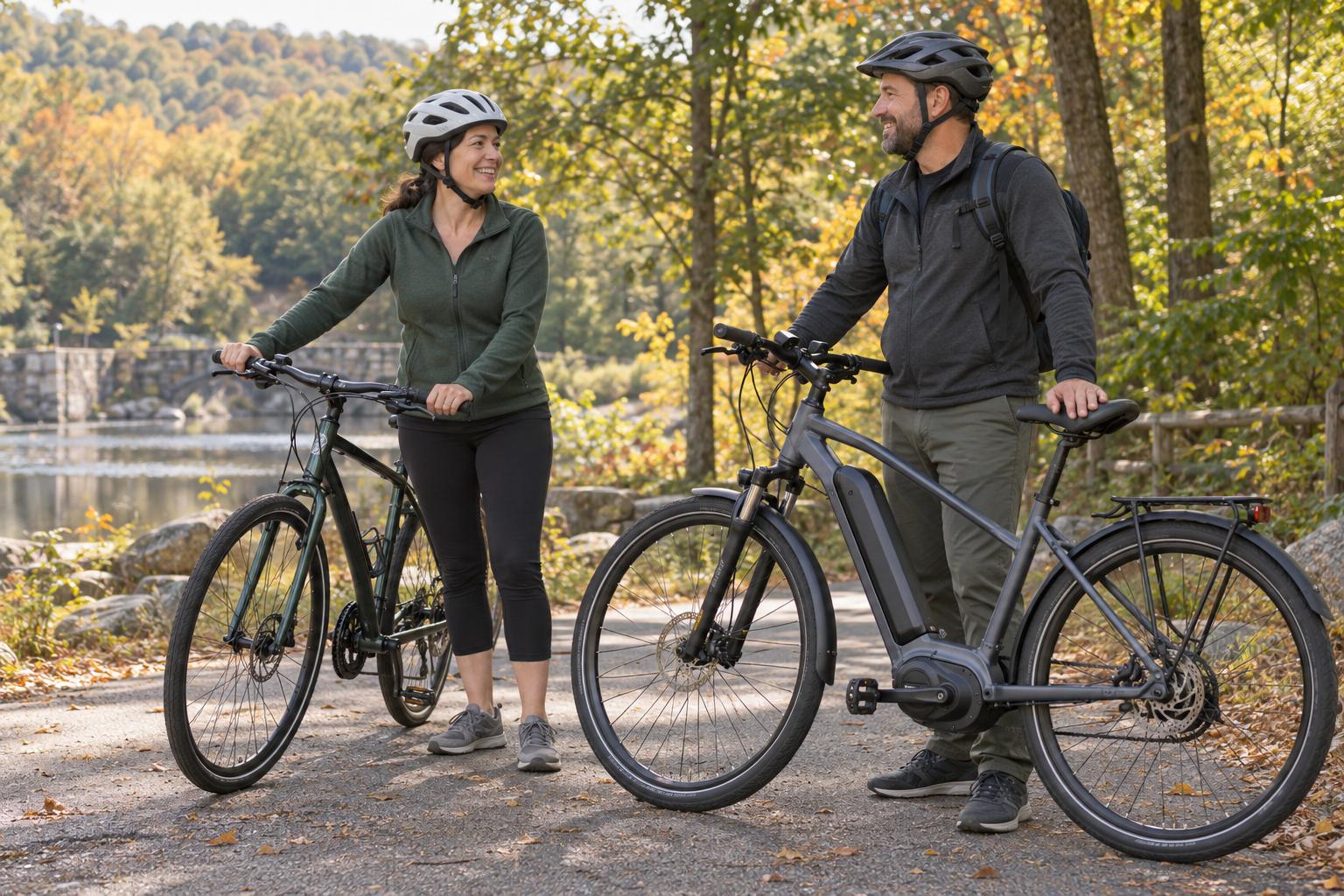
Plenty of riders start on two wheels without an engine, or with a small electric one. It's a low-pressure way to build balance, road sense and confidence in traffic.

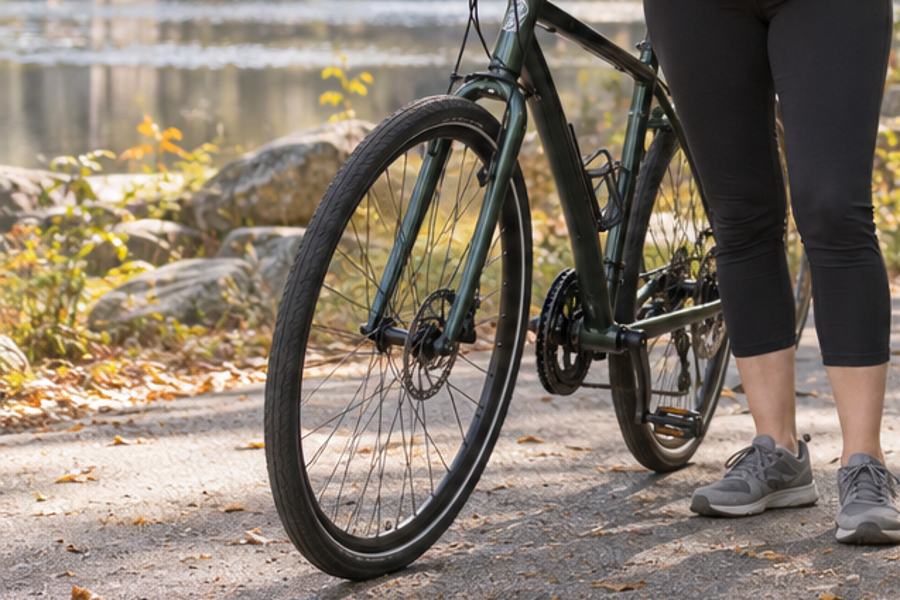
The original two-wheeler. Balance, braking, looking ahead and reading traffic all carry straight over to a motorcycle.

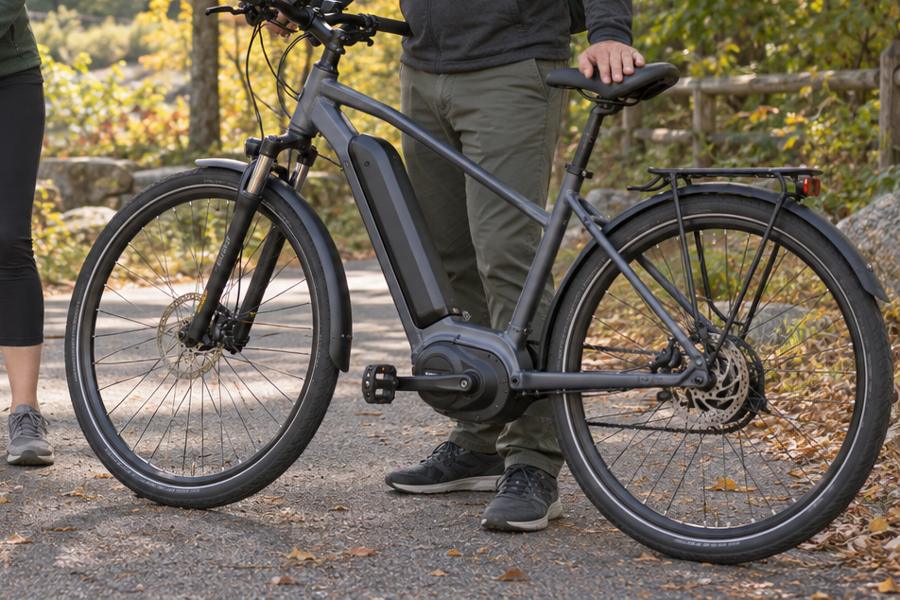
A bicycle with an electric motor that helps as you pedal. Hills get easier and rides get longer, and you learn how a heavier bike handles and stops.
A light bike with gentle power lets you practice the skills you learned in class without fighting the machine. Sit on several before you choose. Both feet should reach the ground comfortably, and you should be able to push the bike around a parking lot.

A little confidence can open up a whole new way to get outside.
Build everyday skills for braking, visibility, and sharing the road.
Get comfortable with electric assistance, handling, and stopping.
Future course ideas with other providers. No classes available to book. These courses are not offered by Motorcycle Riding Centers.
Beginner classes run on a closed practice range, and you can sign up for one today.